Hardball: A Retro Script Font That Elevates Craft and Product Design
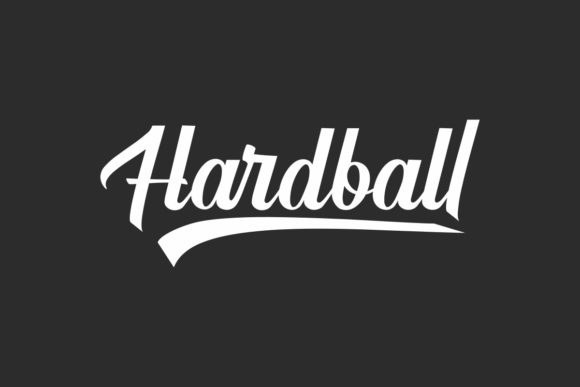
As a crafter and small shop owner, I’m always on the hunt for fonts that add character without sacrificing readability. Hardball is one of those rare finds—a retro-styled script font that feels both nostalgic and fresh. It’s the kind of typeface that makes your handmade products stand out while still being easy to work with across different mediums.
What immediately caught my eye about Hardball is its charming, vintage flair. It has the fluidity of a handwritten script but with a bit more structure, giving it a professional edge. This makes it especially appealing for product-based creators who need a font that feels personal but polished. Whether you're designing labels, invitations, or SVG-style digital downloads, Hardball brings a touch of personality that resonates with customers.
Perfect for Handmade Labels and Product Packaging
When I create labels for candles, soaps, or small-batch food products, clarity is key—but I also want them to feel special. Hardball strikes that balance. Its retro script style adds a boutique feel, which is great for packaging that needs to stand out on shelves or in photos. Since it’s PUA encoded, accessing all the swashes and alternate characters is a breeze, which means you can customize each label to feel unique without extra effort.
I especially like using Hardball for brand names or product tags where you want a little flair but still need legibility. It works beautifully in both print and digital formats, making it a versatile choice for Etsy sellers and printable creators alike.
Weddings, Invitations, and Seasonal Crafts
If you design invitations or wedding stationery, you know how important it is to capture a couple’s personality in the typography. Hardball’s script style brings warmth and elegance—perfect for welcome signs, save-the-dates, or thank-you cards. I’ve used it for farmhouse-style wedding signage and vintage-themed birthday invites, and every time, it adds a nostalgic charm that guests remember.
It’s also a go-to for seasonal crafts. From Halloween tags to holiday gift tags, Hardball gives your designs a handmade feel without looking too casual. I’ve paired it with a clean sans serif for Christmas cards and used it solo for rustic autumn signs—each time, it delivered that special touch buyers look for in artisanal goods.
Readability Tips for Practical Use
While Hardball is a script font, it’s best suited for short phrases, titles, or decorative elements rather than long blocks of text. That makes it ideal for product packaging, signage, and digital printables where you want to draw attention without overwhelming the reader.
If you're using it with a Cricut or Silhouette machine, keep in mind that script fonts can sometimes be tricky to cut clearly at very small sizes. I recommend using Hardball at 12pt or larger for stickers and tags to maintain its elegant flow. Also, always preview your design before cutting or printing—this helps avoid spacing issues and ensures your text looks just right.
Font Pairing Ideas That Work
One of the joys of using a standout font like Hardball is pairing it with complementary styles. For example, I often combine it with a clean sans serif like Montserrat or Lato for digital templates and product labels. The contrast between the flowing script and the minimalist sans serif creates a modern yet approachable look.
If I’m going for a more vintage or decorative style, I pair Hardball with a distressed serif or another script font for layered designs. Just remember to keep the secondary font simple so the overall design doesn’t feel cluttered.
Commercial Use and Licensing
For small shop owners and printable creators, knowing that a font is commercially licensed is a must. Hardball is designed with product creators in mind, so you can confidently use it in your physical goods, digital downloads, and client work. Whether you're selling mugs, tote bags, or SVG cut files, you won’t run into licensing issues—this is huge when you're building a brand and need reliable design assets.
What You Get with Hardball
Hardball comes with a variety of glyphs, ligatures, and swashes thanks to its PUA encoding. This makes it easy to customize your text without needing special software. I’ve used the alternate characters to create one-of-a-kind greeting cards and boutique-style product tags that feel truly handcrafted.
It also supports multiple file formats and multilingual characters, which is a big plus if you sell internationally or want to expand your audience. Whether you're using it in Canva, Adobe Illustrator, or a Silhouette design program, Hardball integrates smoothly into your workflow.
How Hardball Boosts Brand Consistency
Typography plays a quiet but powerful role in brand identity. Using a distinct font like Hardball consistently across your packaging, social media, and printables helps customers recognize your brand instantly. I’ve seen how using the same font across product tags, thank-you notes, and digital ads builds a sense of familiarity and trust.
Its retro script style also gives off a handmade, artisanal vibe that appeals to customers looking for something unique. Whether you're designing for a modern minimalist brand or a rustic farmhouse aesthetic, Hardball adapts beautifully while keeping your visual language cohesive.
Final Thoughts for Makers and Sellers
Hardball is more than just a pretty font—it’s a practical design tool that enhances your product presentation and customer experience. Whether you're creating SVG files, printable wall art, or boutique product tags, this retro script font adds charm and professionalism without compromising usability.
If you're looking for a versatile, commercially-licensed script font that feels both vintage and modern, Hardball is definitely worth adding to your design toolkit. It’s the kind of font that helps your handmade business stand out in a crowded market—while still being easy to use across your favorite crafting and design platforms.